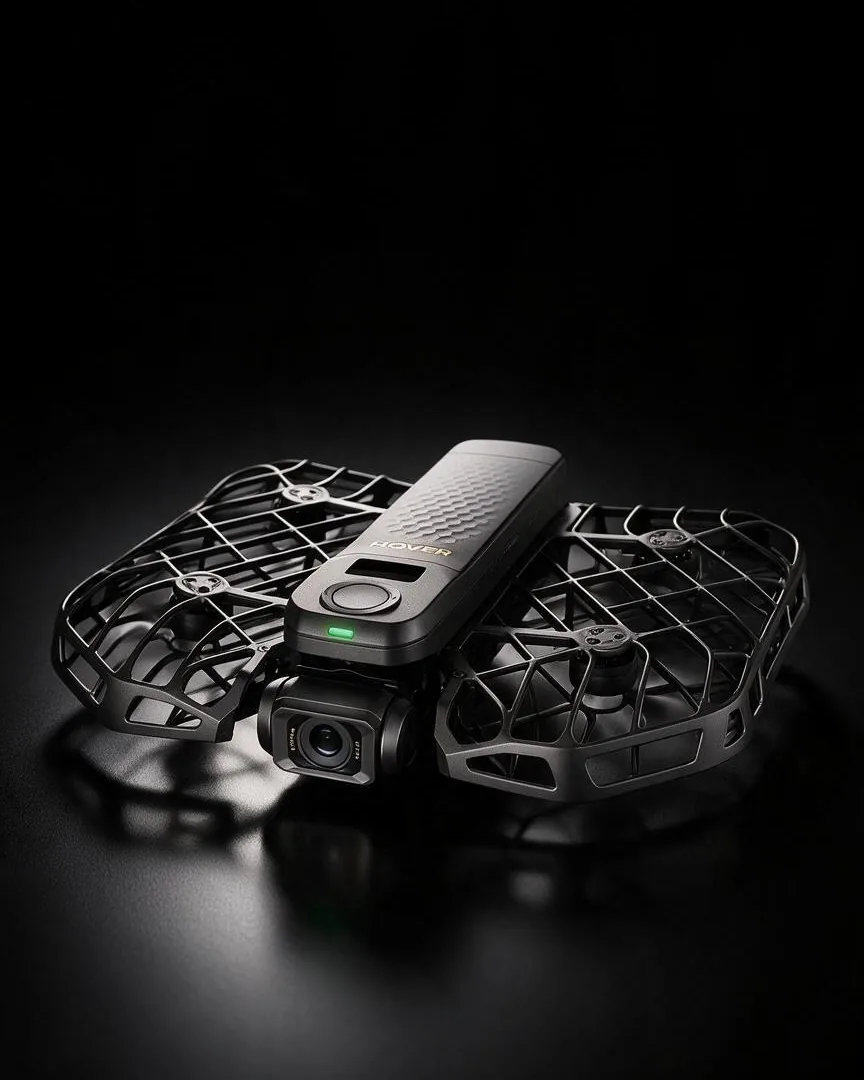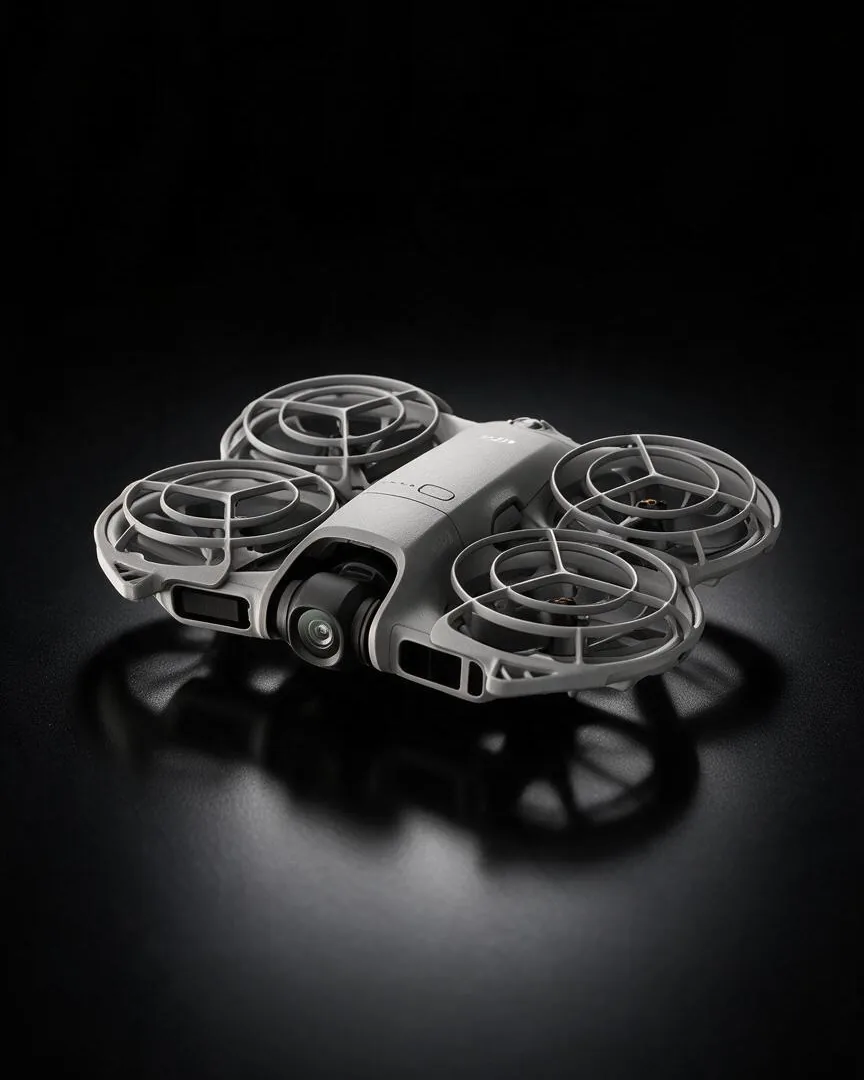
DJI Neo 2
from €239from about $269from about AED 989
Not available in the US
OffersTwo selfie drones that launch from your palm, no remote needed. The DJI Neo 2 senses obstacles all around, the X1 ProMax films in 8K.
Choose the Neo 2 for the lighter, cheaper drone: 151 g, 4K/60fps on a 2-axis gimbal, obstacle sensing all around and LiDAR to the front.
Choose the X1 ProMax for the higher resolution: 8K/30fps and 4K/120fps from a larger 1/1.3-inch sensor, 15+ autonomous flight modes, tracking up to 42 km/h.
| Side by side | DJI Neo 2from €239 (clearly better)from about $269from about AED 989 (clearly better) | HOVERAir X1 ProMaxfrom €699from $699from about AED 2,890 |
|---|---|---|
| Status | Available to orderNot available in the US | Available to order |
| Weight and EU class | 151 g / C0 | 192.5 g / C0 |
| Video | 4K/60fps, 4K/100fps slow motion, 2-axis gimbal | 8K/30fps, 4K/120fps; 1/1.3-inch sensor |
| Camera sensor | 1/2-inch, no RAW | 1/1.3-inch, no flat or log profile |
| Flight time | up to 19 min (17 min with prop guards) (clearly better) | 16 min rated (11–13 min real-world per Maison du Drone) |
| Obstacle sensing | Omni monocular vision + forward LiDAR + downward infrared | Rear only |
| Take-off and control | From the palm; by phone, gesture and voice, no remote controller needed | From the palm; 15+ autonomous flight modes, no remote controller needed |
In bold: the clearly better figure, only where the numbers compare directly.
| Checked | DJI Neo 2: 29.09.2026 | HOVERAir X1 ProMax: 27.09.202606.10.2026 |
|---|
Facts and prices from the makers and official sellers, with the date we last checked. Antarum does not sell robots; some links on the robot pages are affiliate links.
The Neo 2. In Europe it costs from €239, the X1 ProMax from €699. In the US, DJI hasn’t officially launched the Neo 2; the X1 ProMax costs from $699 there.
On paper, the X1 ProMax: it films 8K/30fps and 4K/120fps with a 1/1.3-inch sensor. The Neo 2 films 4K/60fps and 4K/100fps slow motion with a 1/2-inch sensor on a 2-axis gimbal. Neither has it all: the Neo 2 shoots no RAW, the X1 ProMax has no flat or log profile.
The Neo 2: up to 19 minutes, or 17 with prop guards. The X1 ProMax is rated at 16 minutes; Maison du Drone measured 11 to 13 minutes in real use.
The Neo 2 weighs 151 g, the X1 ProMax 192.5 g. Both stay under 250 g and are in EU class C0, which keeps the rules simple in the EU.
The Neo 2 watches in more directions: vision all around, LiDAR to the front and infrared below. The X1 ProMax only senses obstacles to the rear, and New Atlas still hit trees with it at low speed. Neither is foolproof: in the ENDURO test, the Neo 2 missed fine branches in a forest at about 30 km/h.
* Affiliate link: if you buy through it, we may earn a commission. Your price stays the same.